
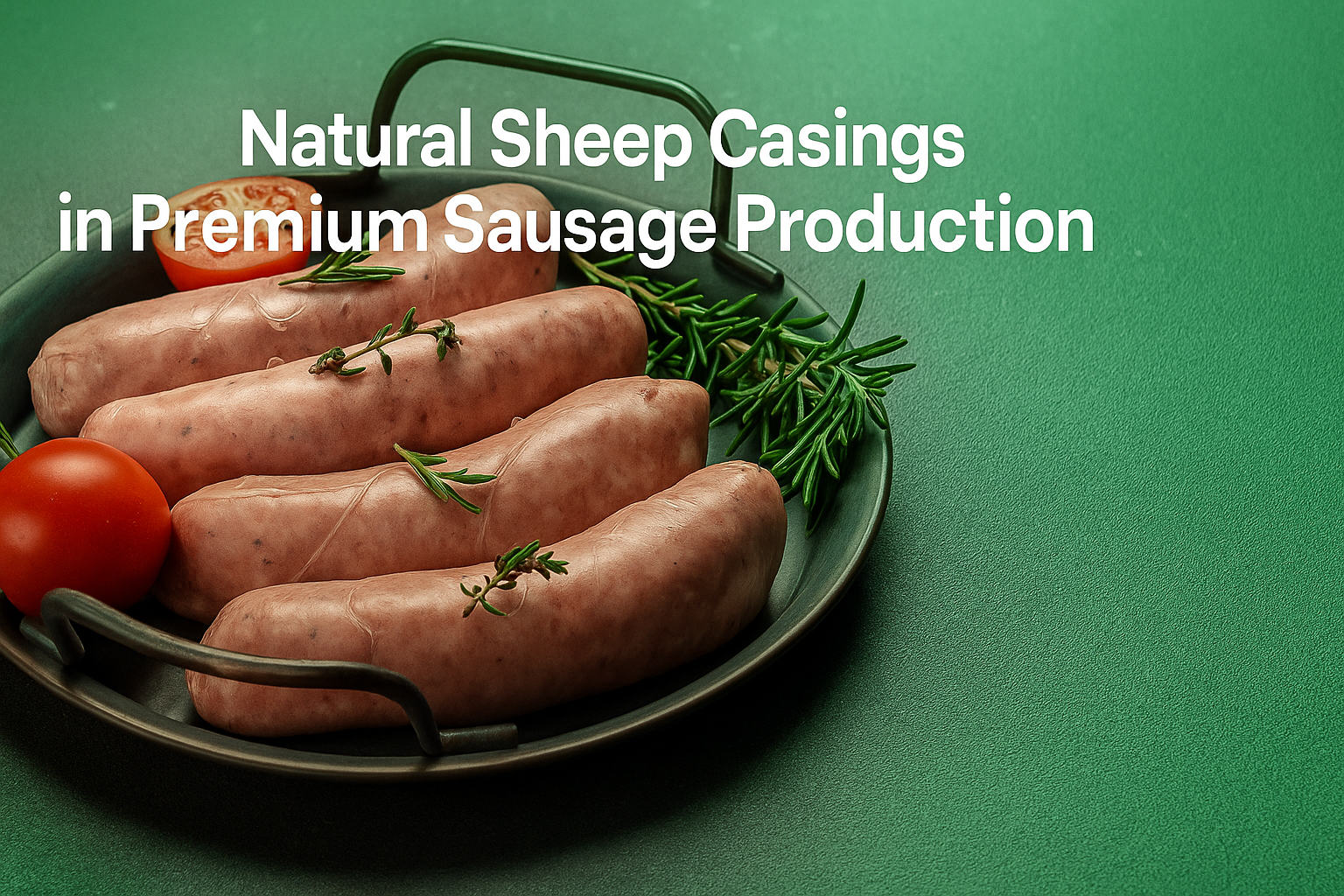
Natural Sheep Casings in Premium Sausage Production
Natural sheep casings have been the foundation of sausage making for centuries. Even with modern food technology introducing synthetic alternatives, natural casings remain the preferred choice for premium manufacturers worldwide. Their elasticity, flavor permeability, and authentic texture give sausages the quality that consumers recognize instantly.
In the premium segment, a casing is far more than a wrapper. It shapes the sausage’s appearance, determines its bite and juiciness, and communicates authenticity. Consumers can tell the difference between a sausage made with a natural casing and one filled into collagen or cellulose. That is why high-end producers across Europe, the Middle East, and Asia continue to rely on natural sheep casings for their signature products.
Why Natural Casings Matter
Premium manufacturers pursue excellence, not shortcuts. Natural casings contribute to that by offering:
-
Perfect elasticity – They expand during stuffing and contract during cooking, maintaining shape and preventing burst.
-
Delicate texture – Thin and tender, sheep casings create the famous “snap” consumers love.
-
Flavor permeability – Smoke, salt, and spices penetrate the meat evenly.
-
Visual appeal – The natural wrinkling and sheen communicate hand-crafted quality.
Synthetic casings may provide uniformity, but they cannot deliver the natural mouthfeel, aroma, or look that discerning customers expect from artisanal and gourmet sausages.
Natural vs. Synthetic Casings
| Feature | Natural Sheep Casings | Collagen | Cellulose |
|---|---|---|---|
| Elasticity | Excellent – stretches & contracts | Moderate | Low |
| Flavor Permeability | High | Limited | Minimal |
| Texture / Bite | Authentic “snap” | Rubber-like | None (peeled) |
| Appearance | Natural & artisanal | Uniform | Artificial |
| Edibility | Edible | Edible | Non-edible |
| Consumer Perception | Premium & authentic | Average | Industrial |
Artificial casings may help reduce costs, but they can’t reproduce the sensory experience of natural casings. That’s why even industrial producers reserve natural casings for their top-tier lines.
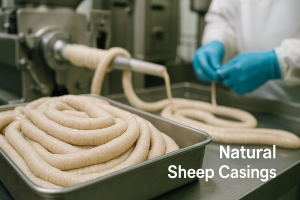
Performance in Modern Production
Modern production doesn’t exclude tradition—it refines it. With accurate calibration and hygienic processing, natural sheep casings perform reliably on automated filling lines.
Key operational advantages:
-
Reduced bursting under pressure
-
Consistent portioning due to size calibration
-
Better twisting and linking
-
Retained juiciness and shape after cooking
-
Improved shelf appearance for packaged goods
Premium producers appreciate how natural casings merge artisanal character with industrial efficiency.
Tradition and Authenticity
In many cultures, sausage making is a centuries-old craft. Consumers associate natural casings with genuine recipes, family tradition, and regional pride. Products carrying a “natural casing” label immediately evoke trust and nostalgia.
They taste like heritage.
Natural sheep casings help brands position themselves as custodians of culinary tradition while still meeting modern quality standards. They are indispensable for certified traditional products (PDO / PGI) that require authentic methods and materials.
Flavor Development and Culinary Performance
Flavor defines the success of a sausage. Natural casings allow controlled moisture exchange and smoke absorption, enabling complex flavor formation during cooking or curing.
They improve:
-
Smoke penetration
-
Spice diffusion
-
Browning and aroma
-
Bite and mouthfeel consistency
Artificial casings isolate the filling from its environment; natural casings integrate it.
Quality Assurance and Hygiene
Today’s natural casing processors follow strict international standards such as HACCP, ISO 22000, and EU Food Safety Regulations.
Each batch undergoes:
-
Thorough cleaning and selection
-
Precise calibration by diameter and length
-
Preservation in high-grade salt
-
Quality control for microbiological safety
This ensures that every casing reaching a manufacturer’s plant is clean, safe, and ready for seamless use.
Economic and Brand Advantages
At first glance, synthetic casings may seem cheaper, but natural casings create greater value:
-
Premium pricing: “Natural casing” increases perceived quality.
-
Brand differentiation: Signals authenticity and craftsmanship.
-
Customer loyalty: Better texture and flavor encourage repeat purchase.
-
Export flexibility: Accepted under diverse culinary and regulatory traditions.
In other words, they transform production cost into brand capital.
Sustainability and Clean Label Appeal
Natural casings are a by-product of the meat industry, making them a sustainable option. Unlike plastic or collagen alternatives, they are biodegradable and require minimal processing.
With consumers demanding transparency and “clean label” ingredients, sheep casings align perfectly with this movement—real food made from real materials.
Trusted by Professionals Worldwide
From European bratwurst to Middle Eastern merguez, from gourmet chorizo to breakfast links, professional sausage makers rely on natural sheep casings for consistent quality. Each batch is carefully sorted, salted, and packed to preserve freshness and integrity until the moment of production.
Manufacturers who choose natural casings invest in long-term reputation rather than short-term savings. The result is better product performance, stronger consumer trust, and sustained market leadership.
Conclusion: Natural Advantage for Premium Producers
Natural sheep casings are not just a traditional ingredient—they are a competitive advantage. They combine technical reliability, sensory excellence, and brand authenticity in one natural solution. For companies aiming to produce high-end sausages that command respect and premium pricing, the choice is clear.
Natural casing = Natural excellence.
